
Have you ever noticed a crack in your home’s walls and wondered what caused it? The answer might be growing right in your garden. Trees are beautiful additions to any property, but their roots can sometimes cause big problems for your house foundations. In this blog, we’ll explore how tree root systems affect building foundations and what you can do to manage them properly for long-term structural integrity.
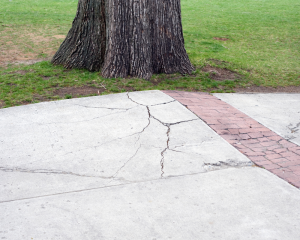 The Hidden World Beneath Your Garden
Trees might look peaceful above ground, but beneath the soil, they’re constantly growing and searching for water and nutrients. A mature tree’s root system can spread much wider than its branches—sometimes up to three times the height of the tree!
When these roots grow near your home, they can create several problems:
- Soil moisture changes – Tree roots absorb water from the soil, which can cause the ground to shrink or settle unevenly, affecting soil conditions.
- Physical pressure – As roots grow thicker and extend deep into the ground, they can push against house foundations and underground pipes.
- Foundation movement – When the soil beneath your home changes, your foundation might crack or shift, compromising the structural integrity of your property.
How Tree Roots Affect Different Types of Foundations
Not all foundations are affected by tree roots in the same way. Understanding the common types of foundations and how they respond to nearby tree growth is essential. Here’s how different foundation types might be impacted:
| Type of Foundation | How Tree Roots Affect It | Risk Level | Primary Purpose |
|---|---|---|---|
| Concrete slab | Can crack if soil beneath shrinks or moves | Medium | Provides a flat base to support the weight of the building |
| Strip foundation | Vulnerable to movement caused by soil changes | High | Load bearing foundation that runs along walls |
| Piled foundations | Less affected as they extend deep into the ground beyond most roots | Low | Used when ground conditions require extra support |
| Raft foundations | Distribute weight across entire footprint, but can still shift | Medium | Designed for challenging soil types |
| Basement foundations | Can develop cracks and leaks where roots press against walls | Medium to High | Provides additional living space below ground |
All foundations involve careful engineering to ensure they have sufficient bearing capacity for your structure. If you’re unsure about your home’s foundation type, our experts at LGL Groundworks can help identify it and assess any potential risks.
Which Trees Cause the Most Problems?
Some trees are more likely to cause foundation issues than others. Here are the main culprits:
High-Risk Trees
- Willows – Their roots aggressively seek water and can extend up to 40 metres from the trunk.
- Poplars – Fast-growing trees with invasive root systems.
- Oaks – While they grow slowly, their mature root systems are extensive.
- Elm trees – Their roots spread widely near the surface.
Lower-Risk Trees
- Apple trees – Generally have smaller root systems.
- Cherry trees – Less aggressive root growth.
- Magnolias – Root systems typically match the spread of their branches.
According to the Royal Horticultural Society, the safe planting distance from buildings should be at least as far as the tree’s expected height at maturity.
Signs That Tree Roots Are Affecting Your Foundations
How do you know if tree roots are causing problems? Look out for these warning signs:
- New cracks in walls, especially ones that widen over time
- Doors or windows that suddenly stick or won’t close properly
- Uneven floors or sloping in certain areas of your home
- Gaps between walls and ceilings or floors
- Damp patches or water entering your basement after it rains
If you notice any of these signs, it might be time to contact us for a professional assessment.
Preventing Tree Root Damage to Foundations
The good news is that with proper planning and management, you can enjoy trees on your property without risking damage to your home.
For Existing Trees
If you already have trees near your home, here are some steps you can take:
- Regular inspection – Check your foundation walls for early signs of damage at least twice a year.
- Root barriers – These physical barriers can be installed underground to redirect root growth away from your home. Our groundworks team specialises in installing these preventative measures.
- Proper watering – During dry periods, water trees consistently so they don’t need to aggressively seek moisture near your foundation.
- Pruning – Regular crown reduction of the tree can help limit root growth.
For New Plantings
If you’re planning to add trees to your property:
- Choose the right species – Select trees with less aggressive root systems.
- Plant at a safe distance – Follow the guideline of planting trees at least as far from your house as their mature height.
- Consider dwarf varieties – These trees have smaller root systems and are less likely to cause problems.
- Plan for the future – Remember that a small sapling today could become a massive tree in 20 years.
When Root Removal Becomes Necessary
Sometimes, a tree’s roots may already be causing significant problems, and more drastic action is needed. According to a study published in the Journal of Arboriculture, removing more than 25% of a tree’s roots can seriously harm its health, so this should only be done by professionals.
If root removal is necessary, our team can help with:
- Surgical root cutting – Carefully removing problem roots without killing the tree
- Root barrier installation – Preventing regrowth towards your home
- Foundation repair – Fixing any damage that has already occurred
The Role of Soil Types in Root Damage
The soil conditions around your home play a crucial role in how tree roots affect your foundations. Different soil types react differently to moisture changes caused by tree roots:
| Soil Types | Characteristics | Risk Level for Foundation Damage | Impact on Bearing Capacity |
|---|---|---|---|
| Clay | Expands when wet, shrinks when dry | Very High | Significantly reduced when dry |
| Sandy | Drains quickly, doesn’t hold moisture | Low | Generally stable regardless of moisture |
| Loam | Well-balanced mixture, moderate drainage | Medium | Moderate changes with moisture levels |
| Peat | Organic, high water retention | High | Poor bearing capacity when compressed |
| Chalk | Porous but stable | Low to Medium | Good unless erosion occurs |
| Gravel | Excellent drainage, minimal shrinkage | Very Low | Excellent and consistent |
Clay soils pose the highest risk because they shrink significantly during drought when trees absorb the remaining moisture. This shrinkage can cause foundations to settle unevenly and crack. Ground conditions like these require special attention when managing tree roots near building foundations.
If your property has challenging soil types and trees nearby, it’s especially important to consult with our experts about cost-effective preventative measures.
Benefits of Professional Tree Root Management
While this article highlights the potential problems trees can cause, we don’t want to suggest that all trees near buildings are bad! Trees provide many benefits:
- They increase property value
- They provide shade and reduce cooling costs
- They improve air quality
- They create natural beauty and wildlife habitats
The key is proper management. Our professional tree root management services can help you keep these benefits while minimising long-term risks to your structural integrity.
Case Study: The Cost of Ignoring Tree Root Problems
In a recent project, we worked with a family in Surrey who had ignored minor foundation cracks for years. What started as a few small cracks eventually required a full foundation repair costing over £15,000—all because a willow tree’s roots had gradually undermined one corner of their home, reducing the load bearing capacity of their strip foundation.
Had they addressed the issue earlier with root barriers and proper tree root management, the cost would have been less than £2,000—a far more cost-effective approach to maintaining their home foundations.
How LGL Groundworks Can Help
At LGL Groundworks, we offer comprehensive tree root management services designed to protect your building foundations:
- Property assessment – We’ll evaluate any trees on your property, the specific soil conditions, and the potential risk to your house foundations.
- Root barrier installation – We can install physical barriers to protect foundations from invasive tree roots that extend deep into the ground.
- Foundation repair – If damage has already occurred, we can repair all common types of foundations and prevent further issues.
- Ongoing maintenance plans – Regular check-ups to ensure your home’s structural integrity stays protected for the long term.
Our cost-effective approach to managing tree roots near foundations can save you thousands of pounds in potential repair costs. Don’t wait until you see cracks in your walls. Contact us today for a free initial consultation about your tree root management needs.
Frequently Asked Questions
How close is too close for a tree to be planted near house foundations?
As a general rule, trees should be planted at a distance equal to or greater than their expected mature height. For example, if a tree will grow to 10 metres tall, it should be at least 10 metres from your house to prevent tree root damage to your building foundations.
Can I remove tree roots myself if they threaten my concrete slab or strip foundation?
We don’t recommend DIY root removal. Incorrect cutting can damage the tree and make it unstable, potentially creating a falling hazard. Additionally, you might not address the underlying ground conditions causing the problem. Professional tree root management is the safer option.
Will my home insurance cover damage caused by tree roots to my house foundations?
Most standard home insurance policies don’t cover damage caused by tree roots, as it’s considered gradual damage rather than sudden or accidental. This makes prevention even more important for maintaining structural integrity long-term.
How long does it take for tree roots to damage home foundations?
This varies greatly depending on the tree species, soil types, and type of foundation involved. In some cases, damage can begin within 5-10 years of planting, while in others, problems might not appear for decades. Piled foundations that extend deep into the ground are typically less vulnerable than shallower foundation types.
What if my neighbour’s tree is affecting the bearing capacity of my foundation?
This can be a tricky situation. Start by having a friendly conversation with your neighbour. If that doesn’t work, you may have legal rights to trim roots that extend onto your property, but laws vary by location. Consult with a legal professional before taking action.
How much does root barrier installation cost for protecting house foundations?
The cost varies depending on the size of the area that needs protection and the depth required. For an average home, prices typically range from £1,500 to £3,000. This is a cost-effective solution compared to major foundation repairs. Contact us for a personalised quote.
Remember, the key to avoiding expensive foundation repairs is early intervention and proper tree root management. If you have trees near your home foundations, regular inspections and professional assessment of your ground conditions can save you thousands of pounds in the long run. Protecting the structural integrity of your property is always more cost-effective than extensive repairs to damaged foundations.
Different types of foundations all require protection from encroaching tree roots, whether you have a simple concrete slab, traditional strip foundation, or more complex piled foundations. The goal is always to support the weight of your building safely while managing the natural growth of trees on your property.
Get in touch with our team to learn how we can help protect your house foundations with our expert tree root management services.


