
Want to make your garden look great without spending too much money? At LGL Groundworks, we know that keeping costs down is important when planning landscaping and groundworks projects. The good news is that there are many cheap landscaping materials that can make your outdoor space look fantastic. In this blog, we’ll look at the least expensive landscaping materials and how you can use them to create beautiful budget-friendly gardens.
Gravel: A Cheap and Useful Option
Gravel is one of the least expensive landscaping materials you can buy. It’s perfect if you want to save money on your landscaping and groundworks projects. Gravel costs about £40-£60 per tonne and covers a lot of space for the price.
Why choose gravel?
- Cheap: Covers big areas without spending much money
- Lots of choices: Comes in many colours and sizes
- Easy to look after: Doesn’t need much work to keep it looking good
- Good for water: Lets rainwater drain away instead of making puddles
- Easy to put down: You don’t need special skills to lay it
Gravel works really well for paths, driveways, and covering soil in garden beds. It’s also great for making Mediterranean-style gardens that don’t need much water.
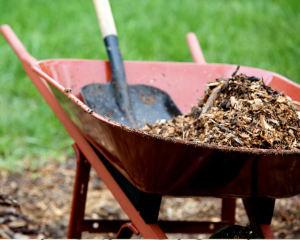 Wood Chips and Bark: Natural and Cheap
Wood chips and bark mulch are some of the cheapest landscaping materials you can buy. They usually cost between £30-£50 per cubic metre. These natural materials are great for making paths, covering soil in garden beds, and adding different textures to your garden.
Good things about wood chips and bark:
- Very cheap: One of the most affordable options
- Looks natural: Fits in well with garden plants
- Stops weeds: Helps prevent weeds from growing
- Keeps soil wet: Helps the soil stay damp so you don’t need to water as much
- Makes soil better: Breaks down over time to make your soil healthier
Wood chips work really well in woodland gardens, play areas for children (when prepared properly), and around trees and bushes.
Concrete: Lasts a Long Time for the Money
Concrete costs a bit more at first than gravel or mulch (about £90-£120 per cubic metre), but it lasts so long that it ends up being one of the least expensive landscaping materials over time. Our groundworks team has lots of experience using concrete for all kinds of landscaping and groundworks projects.
Why concrete saves money:
- Very strong: Can last for many, many years with little care
- Can be used in many ways: Can be shaped, coloured, or given different textures
- Cheap in the long run: Rarely needs to be replaced
- Works for lots of things: Good for patios, paths, driveways, and more
- You can do it yourself: For small projects, you can mix and pour it yourself
Concrete is a great choice for areas with lots of foot traffic and for practical spaces in your garden.
Grass Seed: Cheapest Way to Cover Big Areas
Nothing beats grass seed for a cheap way to cover large areas. At about £3-£10 per kilogram (which covers about 35 square metres), grass seed is by far the least expensive landscaping material for creating a lawn.
Good things about grass seed:
- Super cheap: Covers large areas at very low cost
- Looks nice: Creates a classic garden look
- Good for the environment: Makes oxygen and takes in carbon dioxide
- Keeps things cool: Lowers the temperature around your home
- Different types for different needs: Different seed mixes work in different conditions
While grass needs regular cutting and care, the low starting cost makes it worth thinking about for budget landscaping projects.
Comparing Costs of Common Landscaping Materials
To help you choose, here’s a simple comparison of common landscaping materials and their costs:
| Material | How Much It Costs | How Much It Covers | How Long It Lasts | How Much Work It Needs |
|---|---|---|---|---|
| Gravel | £40-£60 per tonne | 10-14 sq m per tonne | 5-10 years | Not much |
| Wood Chips | £30-£50 per cubic metre | 10 sq m per cubic metre | 1-3 years | Some |
| Concrete | £90-£120 per cubic metre | 10 sq m at 10cm depth | 20+ years | Very little |
| Grass Seed | £3-£10 per kg | 35 sq m per kg | Forever (with care) | Lots |
| Old Bricks | £0.50-£1 per brick | 60 bricks per sq m | 20+ years | Not much |
| Crushed Granite | £70-£90 per tonne | 10 sq m per tonne | 10+ years | Not much |
| Recycled Materials | £25-£40 per tonne | 10-14 sq m per tonne | 5-8 years | Not much |
Recycled and Reused Materials: Good for the Planet and Your Wallet
Using recycled or reused materials is not only good for the environment but is often among the least expensive landscaping material options compared to buying new things.
Budget-friendly recycled options:
- Old bricks: Often free or very cheap from building sites being knocked down
- Recycled crushed materials: Crushed concrete and brick at £25-£40 per tonne
- Reused timber: Great for raised beds, steps, and garden features
- Recycled plastic wood: Lasts longer than real wood for borders and structures
Using recycled materials can cut project costs by up to 30% while being better for the environment.
Soil and Compost: Basic Materials That Don’t Cost Much
Don’t forget about the basics—soil and compost are among the least expensive landscaping materials and are the foundation of healthy gardens.
How cheap soil and compost are:
- Topsoil: £30-£50 per tonne
- Compost: £40-£60 per cubic metre
- Mix your own: Mix your own soil with bought compost to save money
At LGL Groundworks, we can help you choose the right soil mixes for your project and help get your site ready.
How to Save Even More on Budget-Friendly Landscaping Materials
1. Buy in big amounts
Buying materials in larger amounts almost always saves you a lot of money. For bigger landscaping and groundworks projects, talk to our team about delivery of large amounts.
2. Think about delivery costs
Sometimes the cost of getting materials delivered can really change the total price. Local sellers or those with free delivery might be cheaper overall even if their materials cost a bit more.
3. Buy at the right time
Some materials are cheaper during certain times of year. For example, mulch is often cheaper in late autumn or winter when fewer people are buying it.
4. Do it yourself when you can
The cost of paying someone to install materials can sometimes be more than the materials themselves. For simple jobs like putting down gravel or spreading mulch, try doing it yourself to save money.
5. Mix cheap and more expensive materials
Use more expensive materials in small amounts as feature points, and use cheaper materials for most of the space.
Choosing the Right Landscaping Material for Your Project
The least expensive landscaping material isn’t always the best choice for every situation. Think about these things when making your decision:
- What it’s for: Paths, play areas, and driveways all need different things
- How much work you want to do: How much time can you spend looking after it?
- How you want it to look: How does the material fit with your garden design?
- How long it will last: Sometimes spending more at the start saves money later
- Your weather: Some materials work better in certain weather conditions
Our expert team can help you think about these things to choose the most budget-friendly solution for your landscaping and groundworks needs. We offer a wide range of options to fit different projects and what you like.
Frequently Asked Questions
What is the cheapest way to cover dirt in my garden?
Grass seed is the least expensive landscaping material to cover large areas of dirt, costing around £3-£10 per kilogram. For non-lawn areas, wood chips or bark mulch (£30-£50 per cubic metre) provide a budget-friendly solution that also helps stop weeds and keep moisture in the soil. At LGL Groundworks, we offer a wide range of options for all types of garden areas.
How can I make a cheap garden path?
Gravel is the most budget-friendly option for garden paths, costing about £40-£60 per tonne. Other cheap options include wood chips, stepping stones made from concrete pavers, or recycled materials like broken concrete from demolished buildings.
What is the strongest cheap landscaping material?
Concrete offers the best mix of low cost and strength, often lasting 20+ years with very little maintenance. While it costs more at first than some materials (£90-£120 per cubic metre), it lasts so long that it saves money over time.
Can I mix different cheap materials in my garden?
Absolutely! Mixing materials often makes more interesting gardens and can help save money. For example, use gravel for paths, grass for open areas, and concrete for places that get a lot of foot traffic like patios. Our groundworks specialists can suggest good combinations.
Are there any hidden costs I should think about when choosing cheap materials?
Look beyond just the purchase price to think about:
- Installation costs (some materials need more work to install)
- Maintenance needs (time and extra materials needed)
- How often you’ll need to replace it (some cheap materials need more frequent replacement)
- Weed control (some materials need extra weed barriers)
- Drainage issues (some materials might need extra drainage solutions)
Conclusion
Making your garden look beautiful doesn’t have to cost a lot of money. By choosing budget-friendly landscaping materials like gravel, wood chips, grass seed, and recycled options, you can change your garden while keeping costs down. Remember that the least expensive landscaping material depends on what you need, your local weather, and what you’re using it for.
At LGL Groundworks, we help people find the perfect balance between cost, looks, and usefulness for their landscaping and groundworks projects. We offer a wide range of materials and services to suit different budgets and what people like. Whether you want to completely redo your garden or just make a few changes, our team can advise on the cheapest landscaping materials for your project and help install them.
Need help choosing the right materials for your budget-friendly landscaping project? Contact our friendly team today for expert advice and a free quote.


