
Have you ever stepped into your garden after heavy rainfall only to find yourself ankle-deep in water? Garden flooding isn’t just unpleasant – it can damage your plants, erode soil, and even threaten your home’s foundation. At LGL Groundworks, our landscaping and groundworks experts know that a proper drainage system is the key to keeping your outdoor spaces dry and usable all year round.
Why Gardens Flood
Before we talk about drainage solutions, let’s understand why gardens flood in the first place:
- Heavy rainfall – The UK sees plenty of heavy rain, and sometimes the ground simply can’t absorb water fast enough.
- Waterlogged soil – Clay and compacted soils hold water rather than letting it drain away.
- Flat or low-lying land – Without slopes to guide excess water away, it pools in the lowest areas.
- Hardscaping – Patios, driveways, and other hard surfaces don’t absorb water like soil does, increasing surface water flooding.
- Poor drainage – Gardens without proper drainage systems are at higher risk of flooding, especially in your front garden where paving is common.
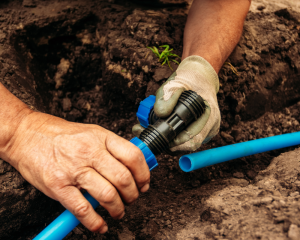 The Importance of Good Drainage
Good drainage isn’t just about avoiding wet feet. Here’s why it matters for the long term:
- Protects plant health – Most plant roots don’t like “wet feet” and can rot if sitting in water for a long period of time.
- Prevents soil erosion – Uncontrolled water flow can wash away your precious topsoil.
- Keeps foundations dry – Standing water pooling near your house can damage its foundation over time.
- Reduces mosquito breeding – Standing water is a perfect home for mosquito larvae.
- Maintains garden usability – A flooded garden isn’t much fun for anyone!
Types of Drainage Solutions for Landscaping and Groundworks
At LGL Groundworks, we offer several ways to improve garden drainage. Each drainage solution works best for specific situations:
1. French Drains
A French drain is a trench filled with gravel and a perforated pipe that redirects surface and groundwater away from an area. Think of it as an underground river that carries excess water away from wet areas, significantly reducing the risk of garden flooding.
2. Soakaways
A soakaway is a hole filled with rubble or special crates that allows water to slowly soak into the surrounding soil. These work well in areas with sandy or loamy soil that can absorb water. For hardscaped areas, we can install gravel support mats to improve drainage.
3. Surface Drains
These are the grates you see on driveways or patios that catch water and direct it to underground pipes. They’re perfect for preventing surface water flooding in hardscaped areas where water runs along the surface.
4. Swales and Dry Creek Beds
A swale is a shallow ditch with gently sloping sides. Dry creek beds are decorative ditches filled with rocks that look attractive while directing water flow. Both are more natural-looking drainage solutions that can be incorporated into existing landscaping.
5. Rain Gardens and Strategic Planting
Rain gardens are planted areas designed to catch runoff. They use special plants that can handle both wet and dry conditions. According to the Royal Horticultural Society, rain gardens can capture up to 30% more water than a standard lawn. Planting trees in strategic locations can also help absorb excess water.
Choosing the Right Drainage Solution
Not every drainage solution works for every garden. Here’s a simple table to help you understand which might work best for your situation:
| Problem | Best Solution | How It Works |
|---|---|---|
| Standing water in lawn | French drain | Collects and redirects excess water underground for healthy and level lawns |
| Water pooling near house | Surface drains + pipes | Catches surface water before it reaches your home, reducing the risk of flooding |
| Runoff from paved front garden | Rain garden or swale | Captures and slows water flow, allowing it to soak in gradually |
| Waterlogged soil that won’t drain | Soakaway + soil amendments | Creates space for water and improves soil structure for the long term |
| Sloped garden with erosion | Terracing + dry creek beds | Controls water flow and directs it safely downhill to prevent garden flooding |
| Areas with poor natural drainage | Artificial grass with proper base | Provides consistent drainage without mud or waterlogging |
Signs Your Garden Needs Better Drainage
How do you know if your garden has poor drainage problems? Look for these warning signs:
- Standing water that remains for more than 24 hours after heavy rainfall
- Yellowing or wilting plants even with plenty of water
- Moss growing in your lawn, indicating waterlogged soil
- Cracks in nearby walls or foundations
- Surface water flooding with water flowing toward your house during rain
- Plant roots rotting due to excess water for a long period of time
If you notice any of these signs, it might be time to contact us for a professional landscaping and groundworks drainage assessment.
DIY vs. Professional Drainage Solutions
While some simple drainage projects can be DIY, others require professional landscaping and groundworks expertise.
Consider these factors when deciding whether to call the professionals:
- Scale of the problem – Large waterlogged soil areas or water threatening structures usually need professional drainage solutions.
- Technical knowledge – Understanding water flow, gradients, and local soil conditions is crucial for effective drainage systems.
- Equipment access – Many drainage solutions require mini-diggers or other specialised groundworks equipment.
- Long-term cost implications – Doing it wrong the first time means paying twice to fix it, while professional installation offers peace of mind.
At LGL Groundworks, we have the expertise and equipment to solve even the most challenging garden flooding problems, from front garden flooding to extensive rear garden drainage issues.
Maintaining Your Drainage System
Once you have good drainage in place, maintenance is key to keeping it working properly for a long period of time:
- Regularly clear debris from surface drains and grates to prevent standing water.
- Check for blockages in pipes after heavy rainfall or during autumn when leaves fall.
- Monitor problem areas to catch poor drainage issues before they become serious.
- Maintain proper gradients by adding soil if areas start to sink, ensuring consistent water flow.
- Keep plant roots in check to prevent blockages in pipes and maintain healthy and level lawns.
With proper maintenance, a good drainage system can provide effective protection against garden flooding for decades, making it a worthwhile long-term investment for any property.
Environmental Benefits of Proper Drainage
Good drainage isn’t just good for your garden – it’s good for the environment too:
- Reduces flooding downstream by managing excess water where it falls
- Filters pollutants through soil before water enters waterways
- Recharges groundwater when systems like soakaways are used
- Reduces erosion which can damage local streams and rivers
- Creates habitat in features like rain gardens and strategic planting trees
- Supports healthy and level lawns that absorb carbon dioxide more effectively
Planning for Climate Change
Climate scientists predict more frequent and intense heavy rainfall in the UK’s future. Planning your landscaping and groundworks with drainage in mind is smart thinking. Drainage systems that might have worked in the past may not be sufficient for tomorrow’s weather patterns, increasing the risk of flooding.
At LGL Groundworks, we design drainage solutions with excess capacity to handle these increasing challenges, providing surface water flooding protection for the long term.
Frequently Asked Questions
How much does a garden drainage system cost?
The cost varies widely depending on the size of your garden, the severity of the poor drainage, and the solution needed. Simple French drains might start around £500, while comprehensive landscaping and groundworks drainage systems for larger properties can cost several thousand pounds. Contact us for a free assessment and quote.
How long does it take to install drainage?
Most residential drainage systems can be installed in 1-5 days, depending on complexity. Larger projects may take longer, especially if multiple drainage solutions are being integrated to manage heavy rainfall effectively.
Will drainage installation damage my garden?
There will be some disruption during installation, but a good groundworks contractor will minimise this and restore the area after completion. At LGL Groundworks, we take care to protect existing plants and structures whenever possible, ensuring healthy and level lawns after our work.
Can I install drainage myself or do I need professional groundworks?
While simple solutions like small swales or rain gardens can be DIY projects, most effective drainage systems require professional knowledge of water flow, soil conditions, and local regulations. Improper installation can increase the risk of flooding. For front garden flooding issues, professional installation is strongly recommended.
How do I know if my soil has drainage problems?
A simple test is to dig a hole about 30cm deep and fill it with water. If it hasn’t drained within 24 hours, you likely have waterlogged soil issues. Clay soils, compacted ground, and low-lying areas are most prone to poor drainage and standing water for a long period of time.
Will adding drainage affect my plant roots?
Proper drainage actually benefits most plants, as few garden plants prefer constantly wet soil. During planning, we can work around valuable plants or recommend moving them temporarily during installation. In the long term, your plants will thank you for the improved growing conditions.
What solutions work best for front garden flooding?
Front gardens often have more hardscaping and are more visible from the road. Solutions like permeable paving, gravel support mats, discreet channel drains, and even artificial grass with proper drainage bases can all reduce surface water flooding while maintaining an attractive appearance.
Conclusion
Proper garden drainage is a long-term investment in landscaping and groundworks that protects your property, enhances plant health, and makes your outdoor space more enjoyable year-round. At LGL Groundworks, we specialise in creating customised drainage solutions that work with your garden’s unique conditions, whether you’re dealing with excess water, waterlogged soil, or recurring garden flooding.
Our professional approach to water flow management can transform problematic areas into beautiful, functional spaces. From installing gravel support mats for better surface drainage to creating healthy and level lawns that naturally resist flooding, our solutions are designed to last.
Don’t wait until the next heavy rainfall turns your garden into a pond. Contact us today for a drainage assessment and discover how our landscaping and groundworks expertise can help keep your feet dry and your plants happy for years to come!