
Getting your ground ready for reinforced foundations is one of the most important steps in any construction project. Whether you’re building a house extension or starting a new build, proper groundworks will save you problems later. Here’s everything you need to know to prepare ground properly.
What Are Reinforced Foundations?
Reinforced foundations use steel reinforcing bars inside concrete to make them much stronger. These steel bars help the concrete handle heavy loads and ground movement. This type of foundation support is essential when dealing with poor soil or buildings that need extra strength.
Most foundation types in the UK use some form of reinforcement. It’s especially important for clay soils, areas near trees, or buildings with heavy loads.
Understanding Your Soil Conditions
Before you start digging, you need to understand what’s under your feet. Different soil structure types need different approaches:
Clay Soils: These expand and shrink with water changes. Clay can cause problems if not handled properly. You’ll need to go deeper to find stable ground.
Sandy Soils: Usually drain well and provide good support. These are easier to work with but can shift if not properly compacted.
Rocky Ground: Provides excellent support but can be expensive to dig.
Poor Soil: Soft, organic soil that won’t support heavy loads. This needs special treatment or removal.
Site Investigation Comes First
Preparing your soil starts with knowing what you’re dealing with. You’ll need to:
- Dig test holes around your site
- Check how well the soil drains
- Look for organic materials that need removing
- Find the water table level
- Test the soil’s load-bearing strength
This investigation takes time and effort but prevents costly surprises later.
Clearing and Preparing the Site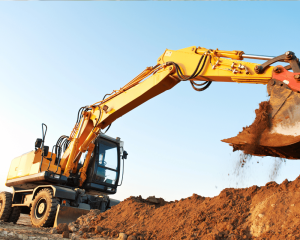
Start by removing all vegetation, topsoil, and any existing structures. Remove any organic materials like roots, leaves, or old timber. These can rot and cause settling problems.
Strip away the topsoil and store it for later use. You’ll often need to go down at least one metre to reach suitable ground for foundations.
Excavation and Ground Preparation
When digging your foundation trenches:
- Follow your approved plans exactly
- UK rules say foundations must be at least 450mm below ground level
- Most foundations need to go deep into the ground – usually one metre or more
- Make sure trench sides are safe and won’t collapse
Safety Note: Never work in unsupported deep trenches. They can collapse without warning.
Dealing with Problem Ground
If you find unstable soils during digging:
Soft Ground: Remove all soft material. Replace with crushed stone or hardcore and compact it well.
Wet Areas: Install drainage to remove water. Standing water weakens foundations.
Contaminated Soil: Stop work and get specialist advice immediately.
Soil Improvement Methods
Sometimes you need to improve the ground before laying foundations:
Compacting the Soil: Use mechanical compactors to make loose soil more solid. This increases the load-bearing strength.
Adding Hardcore: A layer of crushed stone provides a stable base. Compact this in layers for best results.
Drainage Systems: Drainage systems remove water that could weaken foundations. This is especially important for clay soils.
Foundation Depth and Size
Getting the size right is crucial:
| Foundation Type | Depth | Width | Best For |
|---|---|---|---|
| Strip (Single Storey) | 1m total | 450mm | Light buildings |
| Strip (Two Storey) | 1m+ total | 600mm | Standard homes |
| Trench Fill | 1m minimum | Wall + 300mm | Most buildings |
The exact size depends on your soil conditions and building load.
Concrete and Steel Requirements
Reinforced concrete needs good quality materials:
Concrete: Use the right mix for your conditions. Standard mixes include C20 for basic work and C25 for areas with moisture.
Steel Bars: These must be the right size and grade. Structural engineers specify exactly what you need.
Placement: Steel bars go in a grid pattern with proper spacing. They need concrete cover to prevent rust.
Working with Building Control
UK building rules are strict about foundations. You must:
- Get approval before starting
- Let Building Control inspect trenches before pouring concrete
- Follow all safety requirements
- Use approved materials and methods
Building Control ensures your foundation support meets safety standards. All work must follow UK Building Regulations Approved Document A, which covers structural requirements for foundations.
Common Challenges
Clay Soil Problems: Clay moves with moisture changes. Solutions include going deeper, adding reinforcement, or installing drainage systems.
Tree Issues: Trees draw water from soil, causing movement. Foundations near trees often need to go much deeper.
Water Problems: High water levels reduce soil strength and make construction difficult. Good drainage is essential.
Quality Control
During construction:
- Check depths and levels regularly
- Inspect steel placement before pouring concrete
- Test concrete quality
- Take photos for records
Good records help if problems arise later.
Working with Professionals
Groundworks are complex and mistakes are expensive. Always use:
- Structural engineers for design
- Soil specialists for testing
- Experienced contractors for construction
- Building Control for approvals
Professional work ensures your foundations will stand the test of time.
Cost Planning
Ground preparation costs vary based on:
- Soil conditions found during digging
- Depth requirements
- Need for soil improvement
- Access difficulties
Always budget for unexpected problems. Ground conditions can surprise even experienced builders.
Frequently Asked Questions
How deep do reinforced foundations need to go?
UK rules require at least 450mm below ground level, but most foundations go one metre or deeper. Poor soil or trees nearby may require going much deeper to reach stable ground.
Do I need steel reinforcement in all foundations?
Not always, but most modern foundations use some reinforcement. Steel reinforcing bars are essential for unstable soils, heavy loads, or areas near trees. Your engineer will specify what’s needed.
Can I prepare the ground myself?
Basic site clearing is possible, but foundation excavation needs professionals. They have the right equipment and know how to handle soil conditions safely. This saves time and effort and ensures proper results.
What if we find unexpected soil problems?
Stop work immediately and consult your engineer. Poor soil conditions may require design changes or different foundation types. It’s better to solve problems early than fix failures later.