
The flooding problem across the UK is getting worse. Recent storms have hit towns and cities hard, causing billions in damage each year. But here’s the good news – better groundwork can seriously reduce flood risk around your property. At LGL Groundworks, we’ve helped hundreds of homes and businesses in Essex and Suffolk protect themselves from flood water through smart drainage and proper groundwork.
Why Flooding Happens More Often Now
Before we talk about solutions, let’s understand the flooding problem. When developers build new homes and roads, they often replace green space with concrete and tarmac. This means when heavy rain hits the ground, the water can’t soak in naturally anymore.
Instead, all that rainwater runs straight off hard surfaces into drains. When we get heavy rainfall, these drains get overwhelmed. That’s when flood water starts backing up and causing problems in rural areas and towns and cities alike.
The Met Office warns that climate change means we’ll see more extreme weather. This increases the risk of flooding for properties across the country.
How Better Groundwork Helps Prevent Flooding
Good groundwork is your best defence against flood water. The way we shape and prepare the ground around your property controls where water goes when heavy rain falls.
Getting the Slopes Right
The most important thing is making sure water flows away from your building. We carefully shape the land to create gentle slopes that direct flood water towards safe drainage points, not towards your foundations. This simple step can make a huge difference during flood warnings.
Installing Proper Drainage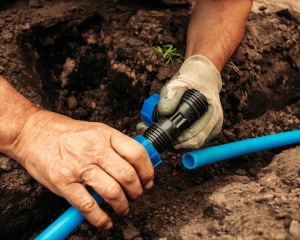
Quality drainage systems are essential to prevent flooding. We install several types:
- Land drains: Underground pipes that collect and move groundwater away
- French drains: Gravel-filled trenches that let water soak away naturally
- Surface drains: Channels that catch rainwater before it causes problems
Our groundwork services include all these drainage solutions to protect your property.
Natural Ways to Hold Water
Instead of fighting flood water, we can work with nature. These methods copy what happens in natural flood management:
Sustainable Drainage Systems
The Government now requires new developments to use sustainable drainage. These systems copy how water moves in nature to reduce flood risk and improve water quality.
| Type | How It Works | Why It Helps |
|---|---|---|
| Soakaways | Underground chambers that hold water temporarily | Cheap and effective |
| Permeable paving | Lets water soak through the surface | Reduces surface runoff |
| Retention ponds | Areas that temporarily store excess water | Creates attractive features |
| Rain gardens | Planted areas that collect rainwater | Beautiful and eco-friendly |
Trees and Hedges Help Too
Tree and hedge planting isn’t just for looks. Trees and hedges slow down flood water and help it soak into the ground. Their roots create natural channels that improve drainage and reduce the effects of floods.
In rural areas especially, proper planting can make a big difference to how water moves across the land during heavy rainfall.
Simple Steps to Prepare for Floods
1. Check Your Risk
The Environment Agency provides flood maps that show your risk of flooding. Check these maps before planning any groundwork. You can find them at the Environment Agency’s flood planning service.
2. Improve Existing Drainage
If you already have drains, keeping them clear and upgrading them can help. Blocked drains make flooding worse, so regular maintenance is vital.
3. Create Natural Water Features
Where possible, we can add natural water management to your garden. These features hold water during heavy rain and look good too.
4. Use Professional Help
Better groundwork needs proper planning and installation. We understand local soil types and how water moves in Essex and Suffolk.
Why Professional Groundwork Matters
Some people try DIY solutions, but professional work offers big advantages:
- Local knowledge: We know how water behaves in our area
- Proper installation: Our work meets building regulations
- Long-term protection: Professional systems last decades
- Integrated approach: All parts work together effectively
Our groundwork services combine flood protection with attractive landscaping.
The Cost of Flood Damage
Flooding is expensive. The cost of flood damage often runs into thousands of pounds. Water damage affects:
- Carpets and furniture
- Electrical systems
- Structural damage to buildings
- Lost business time
Insurance companies report that the average cost of flood damage to a home is over £30,000. Compare this to the cost of proper drainage – it’s clear that prevention makes financial sense.
Government Action and Support
The Government recognises the flooding problem. They’ve announced £2.65 billion to improve flood defences across the country. This shows how serious the risk of flooding has become.
However, property owners still need to protect themselves. The Environment Agency encourages everyone to:
- Check flood warnings regularly
- Prepare for floods with proper drainage
- Understand their local risk of flooding
What Happens During Heavy Rain
When heavy rainfall hits, good groundwork makes all the difference. Here’s what happens:
- Rain hits the ground on your property
- Proper slopes direct water away from buildings
- Drainage systems collect and move water safely
- Natural features like rain gardens hold water temporarily
- The ground can cope without creating flood water
Without proper groundwork, the same heavy rain can cause serious problems.
Frequently Asked Questions
How much does flood prevention cost?
The cost varies by project size, but it’s always less than flood damage repair. We provide clear quotes that show exactly what you’re paying for.
How long do drainage systems last?
Professional drainage systems last 20-50 years when properly maintained. Regular checks help them last even longer.
Can I add flood protection to an existing property?
Yes, we often add drainage solutions to existing homes. Many options work well as retrofits during renovation projects.
Do I need permission for drainage work?
Most drainage improvements don’t need planning permission. We can advise on requirements and help with applications if needed.
Take Action Now
Don’t wait for the next flood warnings to think about protection. Better groundwork takes time to plan and install properly.
At LGL Groundworks, we help customers across Essex and Suffolk create flood-resistant properties. Our team understands local conditions and designs solutions that work in our region.
The flooding problem isn’t going away. Climate change means more extreme weather and higher risk of flooding. But with proper groundwork, you can protect your property and family.
Contact us today to discuss how better groundwork can reduce flood risk at your property. With over ten years’ experience, we know how to create effective, long-lasting flood protection that enhances your outdoor space too.