
Landscaping isn’t just about making outdoor spaces look nice anymore. Today, it’s also about being kind to our planet. Sustainable landscaping means creating beautiful outdoor areas that use less water, support local wildlife, and reduce pollution. At LGL Groundworks, we’re excited to share the newest eco-friendly landscaping trends that are good for both your garden and the environment. These approaches not only create stunning landscape designs but also significantly reduce your carbon footprint.
What Is Sustainable Landscaping?
Sustainable landscaping means designing outdoor spaces that:
- Use fewer resources like water and energy through water conservation techniques
- Work with nature instead of against it to improve soil health
- Help local animals and plants thrive by creating wildlife habitats
- Reduce waste and pollution to minimise environmental impact
- Look beautiful while being good for the planet
- Incorporate eco-friendly garden elements that support sustainable gardening practices
Let’s explore the most popular sustainable landscaping trends that are making a big difference in 2025.
1. Rain Gardens and Bioswales for Sustainable Gardens
Rain gardens are special garden areas designed to collect rainwater from roofs, driveways, and lawns. Instead of letting this water run into storm drains, rain gardens allow it to slowly soak into the ground. This eco-friendly landscape feature helps:
- Reduce flooding
- Filter out pollution
- Recharge groundwater supplies
- Provide habitat for birds and butterflies
- Improve soil quality through natural filtration
- Support water conservation efforts
Bioswales are similar but are typically longer, channel-shaped features that move water slowly across your property. Both are becoming very popular in UK sustainable garden designs because they help manage our increasingly heavy rainfall while reducing environmental impact.
Our groundworks team can help you plan and build these water-friendly features in your environmentally friendly garden.
2. Native Plant Gardens and Drought Tolerant Plants
One of the biggest trends in sustainable landscaping is using native plants that naturally grow in your local area. These plants are often drought tolerant plants that require less water and care. In the UK, this means incorporating species like:
- English lavender
- Foxgloves
- Wild roses
- Hawthorn
- Meadowsweet
Native plants have many benefits:
| Benefit | Why It Matters |
|---|---|
| Need less water | Save money on water bills |
| Require fewer chemicals | Better for the environment and your health |
| Support local wildlife | Provide food and homes for birds, bees, and butterflies |
| Thrive in local conditions | Less work to keep them healthy |
| Connect to local heritage | Celebrate the natural beauty of British landscapes |
3. Rainwater Harvesting Systems
Collecting rainwater is becoming increasingly popular as we face more water restrictions. Modern rainwater harvesting systems range from simple water butts to complex underground tanks with pumps.
This stored water can be used for:
- Watering gardens during dry spells
- Washing cars
- Cleaning outdoor spaces
- Flushing toilets (with proper filtration)
A typical UK home with 100 square metres of roof space can collect about 70,000 litres of rainwater per year – that’s a lot of free water! Our team can help you install the right system for your needs.
 4. Permeable Paving
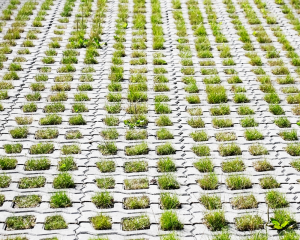
Traditional concrete and asphalt don’t allow water to pass through, which causes problems like flooding and water pollution. Permeable paving is different – it lets rainwater filter through to the ground below.
Popular permeable paving options include:
- Porous concrete
- Permeable block paving
- Gravel grids
- Reinforced grass systems
These materials can be used for driveways, patios, and walkways. They look great while helping the environment by:
- Reducing surface water runoff
- Decreasing flood risk
- Filtering pollutants
- Recharging groundwater
- Reducing puddles and ice in winter
5. Vertical Gardens and Living Walls
Not everyone has a large garden, but that doesn’t mean you can’t enjoy greenery! Vertical gardens and living walls allow for optimal plant growth upwards on walls and fences. They’re perfect for small gardens, balconies, or urban areas where space is limited.
Benefits of vertical gardens include:
- Making use of unused vertical space in your garden design
- Improving air quality and reducing carbon emissions
- Providing insulation for buildings to lower energy usage
- Creating wildlife habitats for birds and insects
- Adding beauty to plain walls while being environmentally friendly
- Maximising plant growth in limited spaces
From simple trellis systems to complex modular walls, vertical gardens come in many forms to suit different spaces and budgets. They represent one of the most innovative eco-friendly options in modern landscape design.
6. Smart Irrigation Systems
Technology is playing a big role in sustainable landscaping. Smart irrigation systems use sensors, weather forecasts, and computer controls to water your garden only when it needs it.
These clever systems can:
- Adjust watering based on rainfall
- Detect soil moisture levels
- Water different zones of your garden differently
- Be controlled from your phone
- Reduce water usage by up to 50%
While they cost more to install initially, smart irrigation systems quickly pay for themselves through water savings. Our groundworks specialists can advise on the best system for your garden.
7. Edible Landscapes
Growing your own food is both sustainable and rewarding. Edible landscaping blends food plants with ornamental ones to create gardens that are beautiful and productive.
Popular edible landscaping elements include:
- Fruit trees as focal points
- Berry bushes in mixed borders
- Herbs as decorative edging
- Colourful vegetables among flowers
- Edible flowers like nasturtiums and pansies
Beyond providing fresh, local food, edible landscapes reduce transport emissions and packaging waste associated with shop-bought produce.
8. Wildlife-Friendly Designs and Habitats
Creating gardens that welcome wildlife is a growing trend in sustainable landscaping and eco-friendly garden design. Wildlife habitats are essential for supporting local biodiversity and improving the environmental impact of your garden. Wildlife-friendly features include:
- Bird and bat boxes
- Insect hotels for pollinators
- Hedgehog highways (gaps in fences)
- Log piles for beetles and small mammals
- Shallow water features for birds and insects
- Native plants that provide food and shelter
According to the Wildlife Trusts, even small wildlife-friendly changes can make a huge difference to local biodiversity while supporting sustainable gardening practices.
9. Low-Maintenance Lawns and Alternatives
Traditional lawns require lots of water, fertiliser, and mowing. Sustainable alternatives include:
- Microclover lawns (stay green with less water)
- Native meadow gardens (filled with wildflowers)
- Chamomile or thyme lawns (fragrant and drought-resistant)
- Artificial grass (no water or mowing needed)
Many people are also reducing their lawn size, replacing portions with garden beds, patios, or ground covers that need less maintenance.
10. Upcycled and Sustainable Materials
Using reclaimed or environmentally friendly materials is a big part of sustainable landscaping and reducing waste:
- Reclaimed brick and stone
- Recycled plastic lumber
- Locally sourced timber from sustainable forests
- Natural stone from UK quarries
- Composite decking made from recycled materials
These eco-friendly options reduce waste, lower carbon footprint and carbon emissions, and often add unique character to garden designs. Using locally sourced materials also reduces transportation-related environmental impact while supporting local businesses.
How LGL Groundworks Can Help with Your Sustainable Garden
At LGL Groundworks, we specialise in creating sustainable landscapes that are both beautiful and environmentally responsible. Our landscape design experts can help with:
- Designing rain gardens and bioswales for water conservation
- Installing permeable paving systems that improve soil health
- Setting up rainwater harvesting systems
- Creating wildlife habitats and eco-friendly gardens
- Building vertical garden structures
- Implementing smart irrigation systems
- Recommending drought tolerant plants for your specific conditions
- Developing garden designs that reduce carbon emissions
Whether you’re looking to make small eco-friendly changes or completely transform your outdoor space with sustainable gardening practices, we have the skills and experience to help. Contact us today to discuss your sustainable landscaping project and explore environmentally friendly options for your garden.
Frequently Asked Questions About Sustainable Landscaping and Eco-Friendly Gardens
How much does sustainable landscaping cost compared to traditional landscaping?
While some sustainable features may have higher upfront costs, they typically save money over time through reduced water bills, lower maintenance needs, and fewer replacement costs. Many eco-friendly options like native plants can actually be less expensive than exotic alternatives while providing better environmental benefits.
Can I convert my existing garden to be more sustainable without starting over?
Absolutely! Sustainable gardening practices don’t have to happen all at once. You can make gradual changes like adding native plants, installing a water butt for water conservation, or creating small wildlife habitats. Even small steps make a difference in reducing your garden’s carbon footprint.
Do sustainable gardens look messy or wild?
Not necessarily. While some eco-friendly landscapes embrace a more natural look, many are just as neat and organised as traditional gardens. Good garden design is key – sustainable gardens can be formal, contemporary, cottage-style, or any other aesthetic you prefer while still being environmentally friendly.
How much maintenance do sustainable landscapes require?
Generally less than traditional landscapes. Once established, native plants and drought tolerant plants need less water and care, and features like rain gardens and permeable paving require minimal upkeep. However, all gardens need some maintenance – the difference is that sustainable landscapes work with nature rather than constantly fighting against it.
Can sustainable landscaping help with drainage problems and improve soil quality?
Yes! Many sustainable landscaping techniques like rain gardens, bioswales, and permeable paving are specifically designed to manage water better, improve soil health, and reduce drainage issues. These approaches help water penetrate the soil naturally, improving plant growth and reducing runoff. If you have problems with soggy areas or flooding, contact our team for solutions.
How do eco-friendly landscapes help reduce carbon emissions?
Sustainable gardens help reduce carbon emissions in several ways: plants absorb CO2, locally sourced materials require less transportation, reduced mowing means fewer fossil fuels used, and proper landscape design can lower energy needs for heating and cooling your home.
By embracing these sustainable landscaping trends and eco-friendly landscaping trends, you’re not just creating a beautiful outdoor space – you’re also helping protect our environment for future generations. Small changes in our gardens can add up to make a big difference for our planet while creating spaces that are both beautiful and beneficial.